
Zillow does not verify that every lister owns or manages the property they advertise. That means a real listing on Zillow can still be a scam: the address and photos may be real while the person asking you for money is not authorized to rent the home.
Before sending an application fee, deposit, or first month’s rent, independently check both the property and the person offering it.
How Zillow rental scams work
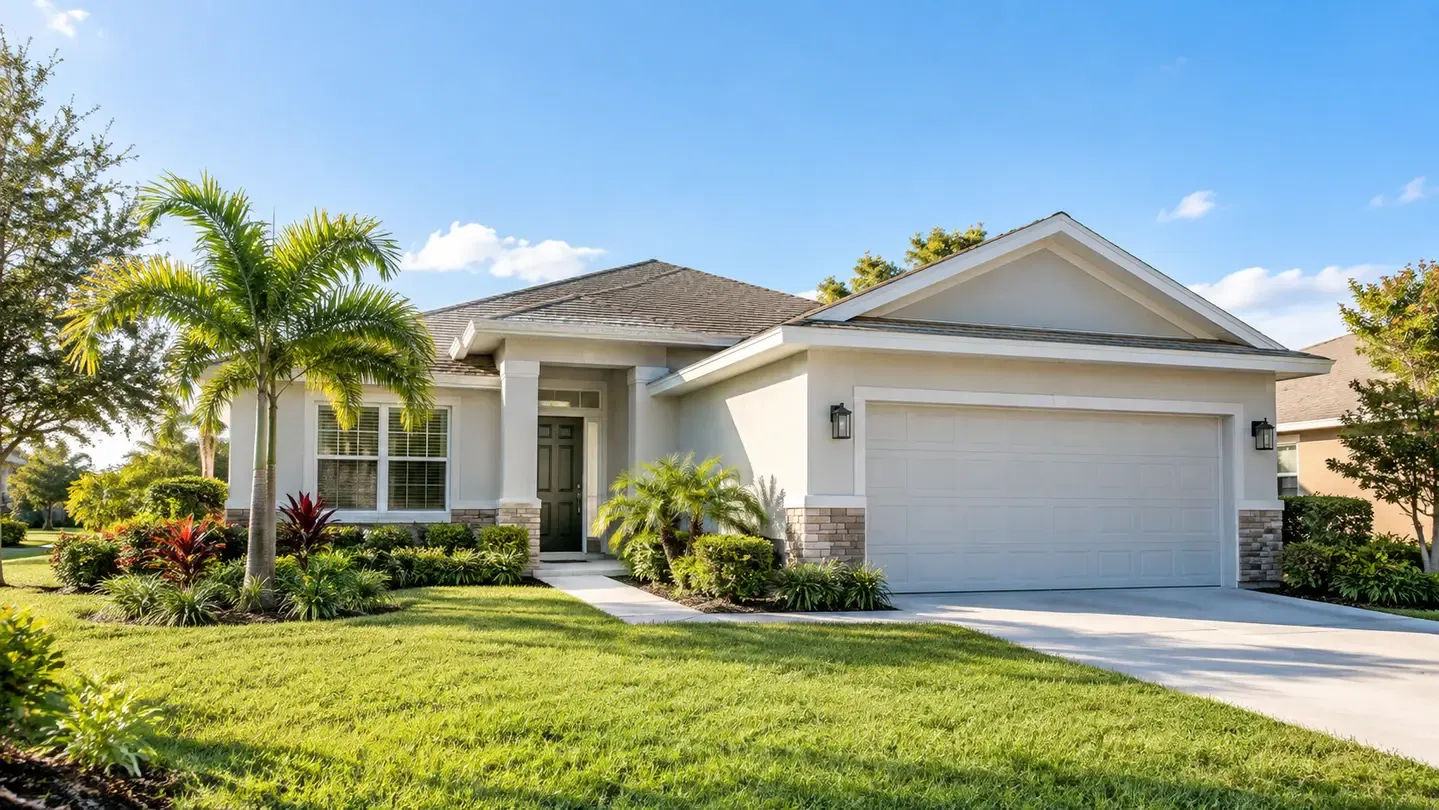
In many Zillow rental scams, someone copies a legitimate listing or uses the address and photos of a property they do not control. They may change the contact details, lower the rent, or advertise the home elsewhere with different terms. A convincing address or photo is not proof that the advertiser can rent it to you.
The conversation may then move away from Zillow to text, email, or WhatsApp. That can make it harder to compare the messages with the listing and may leave you with less platform history if something goes wrong. Zillow explains in its Rental User Terms that it does not independently verify rental managers or guarantee the outcome of interactions between renters and managers.
9 red flags to check before you pay
One warning sign does not prove a listing is fraudulent. Several inconsistencies together are a reason to pause and verify before sharing money or sensitive information.
- The rent is far below similar homes nearby.
A price that is clearly lower than comparable rentals can be used to attract fast interest. What to do: Compare the address, size, and features with other current listings in the neighborhood. Ask the advertiser to explain a large price difference.
- You cannot see the property in person or on a live video tour.
A request to pay before you can view the home means you cannot confirm its condition or who has access. What to do: Ask for an in-person showing or a live walkthrough where the representative can respond to questions. A video tour alone does not prove the person is authorized.
- The owner is “out of town” and cannot arrange a viewing.
Some legitimate owners live elsewhere, but a story about being overseas or unable to meet should not replace verification. What to do: Find the management company’s official contact independently and ask whether it manages the address and recognizes the advertiser.
- You are asked for money before a viewing or clear written terms.
An application fee may be part of a legitimate process, but a deposit or rent payment requested before you have verified the property and recipient deserves caution. What to do: Get the fee, lease terms, payment recipient, and refund conditions in writing. Verify them through an independent company contact before paying.
- The requested payment is difficult to recover.
Be especially cautious if a stranger asks you to pay by wire transfer, gift card, or cryptocurrency. Zelle, Venmo, and Cash App transfers to an unfamiliar person can also be difficult to reverse. What to do: Do not send money until you have independently confirmed the recipient and rental process. The FTC explains why wire transfers can be risky.
- The contact details do not match the company or listing.
A personal email or phone number is not proof of a scam, but it matters if the advertiser claims to represent a company and that company cannot confirm them. What to do: Look up the company yourself—not using only a link or phone number the advertiser sent—and ask whether the person and listing are legitimate.
- The photos appear in other listings.
Photos can be copied from a real estate sale page or another rental ad. What to do: Use reverse image search and compare the images, property details, and contact information. Reused photos are a clue to investigate, not proof on their own.
- The same home appears with different prices or contacts.
A conflicting listing may indicate copied or altered information. What to do: Save screenshots and links to both versions. Contact the named property manager using independently found details to confirm the current rent, availability, and authorized contact.
- You are rushed or pushed off-platform.
“Other applicants are paying today” or demands to move immediately to text, email, or WhatsApp can make it harder to check details. What to do: Slow down. Keep copies of the Zillow listing and messages, and do not let a deadline replace the checks below.
For more practical ways to evaluate a listing, see our guide to checking whether a rental that looks perfect is real.
How to verify a Zillow listing in about 15 minutes
These quick checks can help you spot mismatched information before you pay. They do not guarantee that a listing is legitimate, but they give you a better basis for deciding what to ask next.
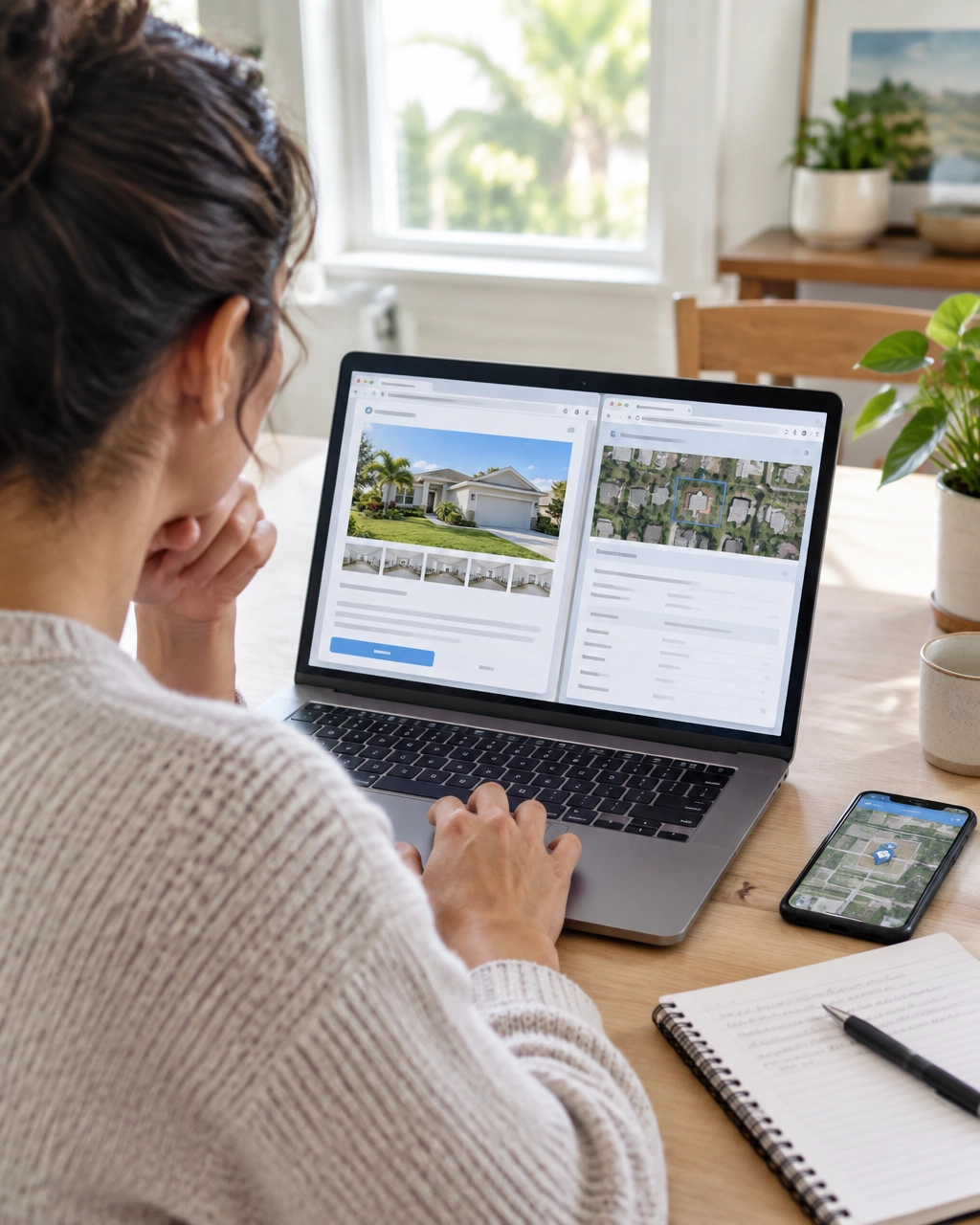
- Look up the management company independently. Search for its official website and contact it using details you find there. Ask whether it manages the address and whether the named person works with the company.
- Check public property records. Search the county assessor or property-records website for the owner’s name. Records may list an LLC or differ from a manager’s name, so a mismatch needs an explanation, not an assumption.
- Request a live video walkthrough or in-person viewing. Ask the person to show specific features in real time. A viewing helps you assess the home, but still confirm the representative’s authority separately.
- Get the lease and payment instructions in writing. Check that the address, rent, fees, lease parties, and payment details are consistent. Be cautious about last-minute changes to the recipient or payment method.
- Confirm who receives the money. Ask whether the recipient is the named owner or management company. Verify instructions through an independently found contact, not only through the person who sent them.

What if you already sent money?
Act quickly. Contact your bank or payment provider using the number on its official website or your card, explain what happened, and ask whether the payment can be stopped, recalled, or disputed. The chances of recovery depend on how you paid and how quickly you report it.
Save the Zillow listing, messages, payment details, receipts, and contact information. Report the listing to Zillow using its reporting option, and file a report with the FTC at ReportFraud.ftc.gov. You can also contact local police. Reporting does not guarantee you will recover money, but it documents what happened and may help others.
Frequently asked questions
Are Zillow rentals verified?
A Zillow listing is not proof that the advertiser owns or manages the property. Zillow’s Rental User Terms say the platform does not independently verify rental managers. Confirm the person’s authority through independent sources.
Can a scammer post a real house on Zillow?
A scammer may copy details or photos from a real property and advertise it without permission. The home can be real while the person requesting payment is not authorized to rent it.
Is it safe to pay a deposit through Zillow?
Do not assume a payment is safe just because you found the listing on Zillow. First verify the property, the person’s authority, the lease, and the payment recipient. Be cautious with payment methods that offer limited recourse.
How do I know if a Zillow listing is fake?
Look for mismatched contact details, copied photos, conflicting listings, unusually low rent, refusal to arrange a viewing, and pressure to pay quickly. Verify the owner or manager independently before sending money.
Want a second opinion before you pay?
Get a human-reviewed Rental Risk Review for $19 as a one-time payment. Share the listing and relevant details for a plain-English review, usually delivered within 24 hours. No account is needed.
Request a $19 Rental Risk Review →A review identifies risk indicators and what could or could not be verified; it cannot guarantee a rental is legitimate.